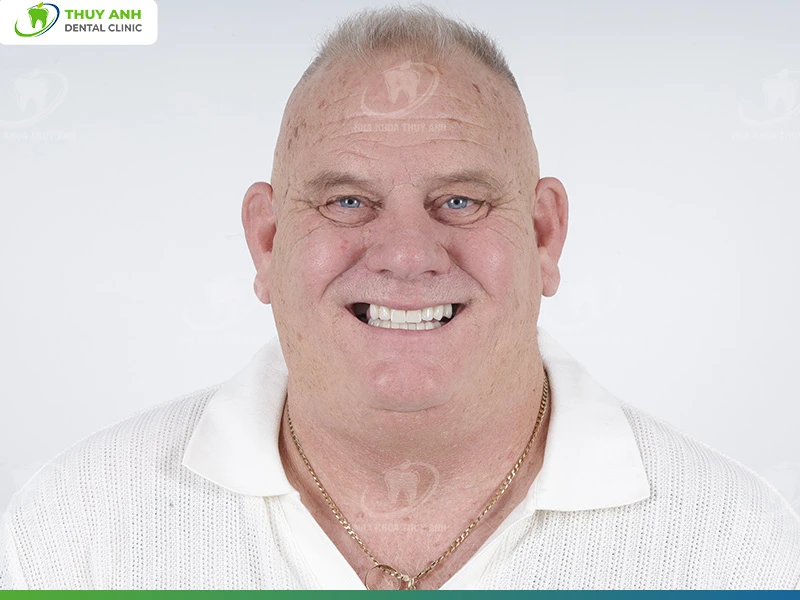
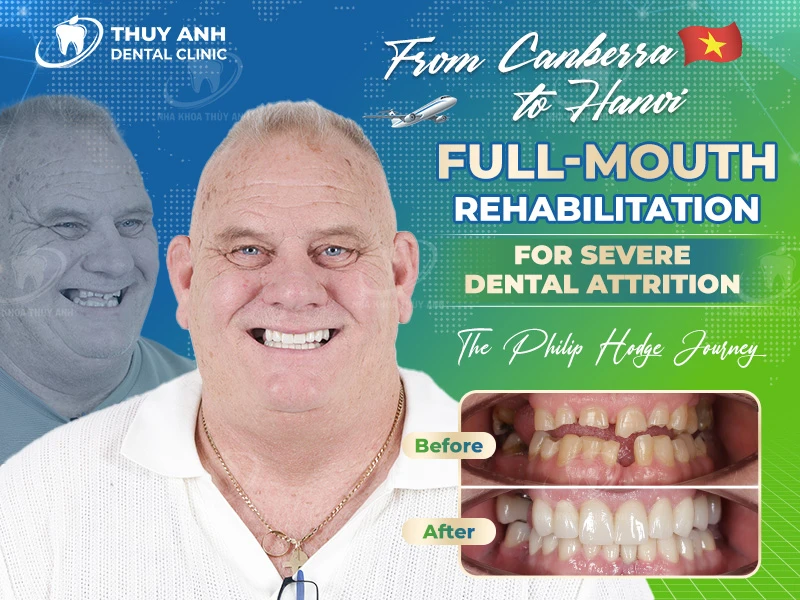
From Canberra to Hanoi: Philip Hodge’s Journey to Restore a Severely Worn Dentition
Traveling to another country for medical treatment is never an easy decision.
Flying more than 7,000 km from Australia to Vietnam for dental care may sound like a daunting choice.

Patients often ask: Is the treatment safe? Are the medical standards reliable? Will the results truly be worth the long journey?

For Philip Hodge, however, this was a necessary decision to resolve a condition that had caused him years of pain and discomfort.

The story below follows Philip’s treatment journey – from his initial remote consultation to the beginning of his full-mouth rehabilitation in Vietnam.

Philip Hodge, born in 1969, currently lives in Canberra, Australia.

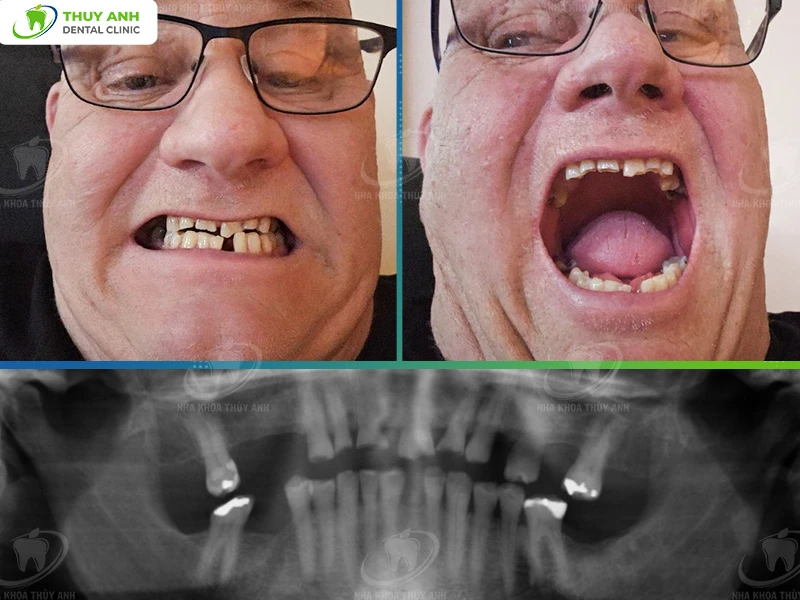
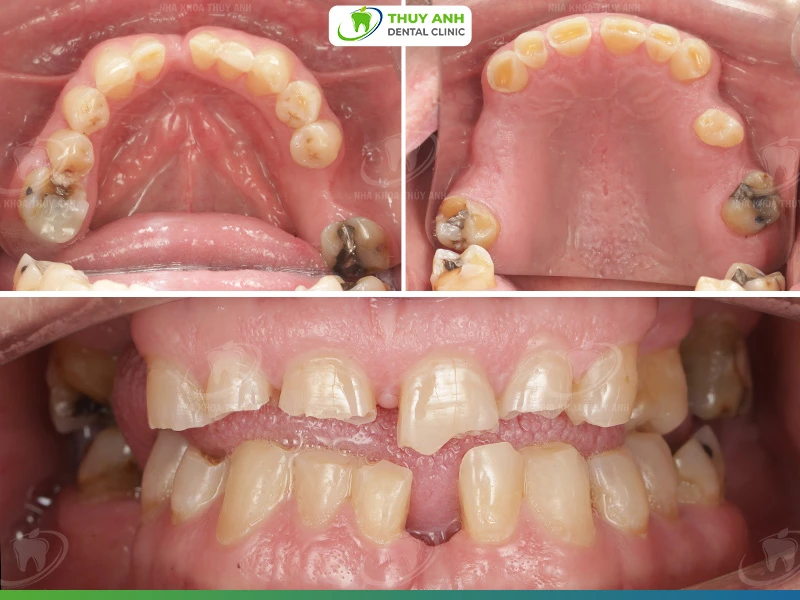
For many years, he suffered from severe bruxism (teeth grinding). Over time, this condition led to progressive tooth wear:

  • Many teeth were worn deeply into dentin, approaching the pulp
  • Several teeth were severely fractured and lacked sufficient clinical crown height
  • Multiple posterior teeth were missing

As a result:

  • Chewing ability was significantly reduced
  • Pain occurred during eating
  • Persistent dull discomfort was present in the jaw

In addition, Philip had previously received restorations on several lower anterior teeth.

A key factor in his medical history is cardiovascular disease. He experienced a myocardial infarction in 2008 and had stents placed in 2008 and 2009. He is currently taking anticoagulants, antihypertensive medication, and cholesterol-lowering drugs.

Before proceeding with dental treatment, he was evaluated and cleared by his cardiologist.

Initial Remote Consultation

Philip first contacted the clinic through an international patient support partner.

He provided photographs of his current dental condition for preliminary evaluation. 

Based on this initial information, a preliminary treatment plan and cost estimate were developed.

A key principle in the treatment planning was:

Preserve as many natural teeth as possible, and place implants only where absolutely necessary.

This approach helps to:

    • Preserve natural tooth structure
    • Optimize chewing function
    • Reduce overall treatment costs

After careful consideration, Philip decided to travel to Vietnam with his wife for treatment.

Journey to Vietnam

Philip’s trip was supported by the clinic’s partner organization, which specializes in assisting international patients in Vietnam.

The team provided support with:

    • Flight arrangements
    • Treatment scheduling
    • Visa procedures
    • Appointment coordination
    • Recommendations for sightseeing during the stay

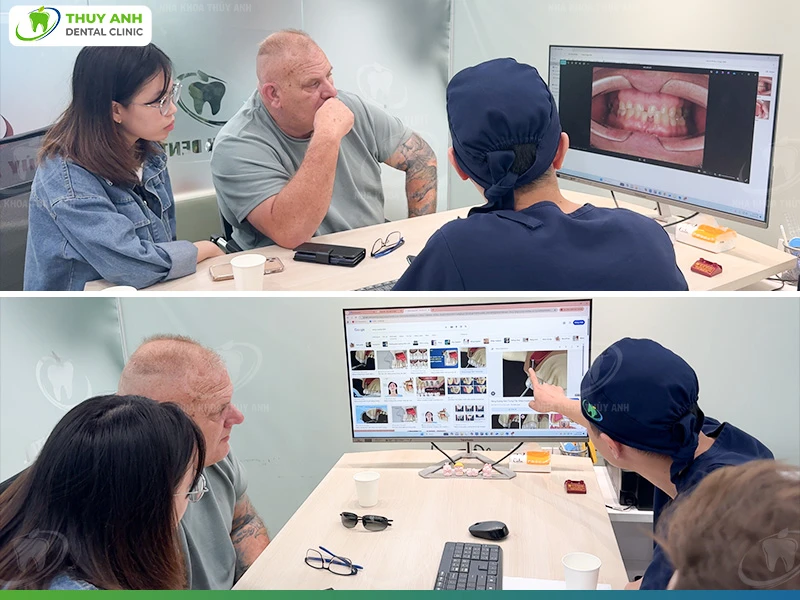
After arriving in Hanoi and resting from the long journey, Philip visited the clinic the following day for his first in-person consultation.

Examination and Detailed Treatment Planning

During the first visit, Philip underwent a comprehensive assessment, including:

    • Clinical intraoral examination and evaluation of each tooth
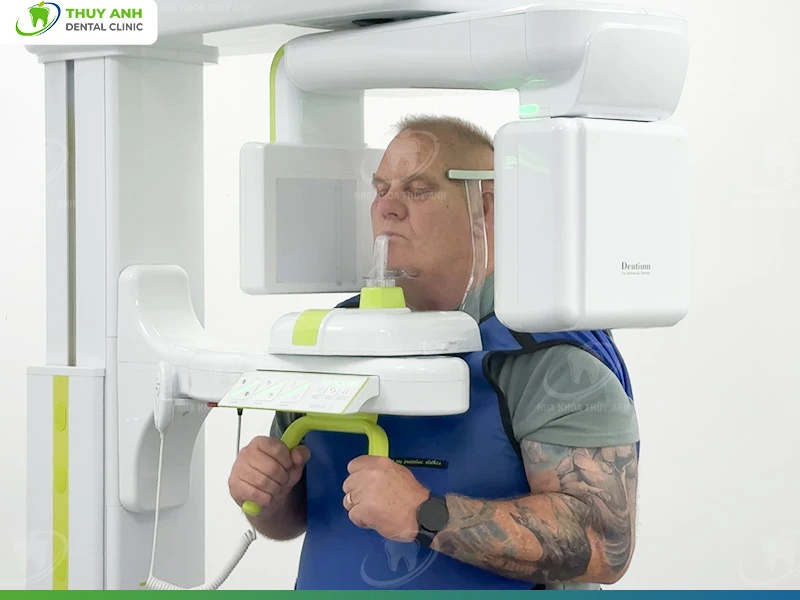
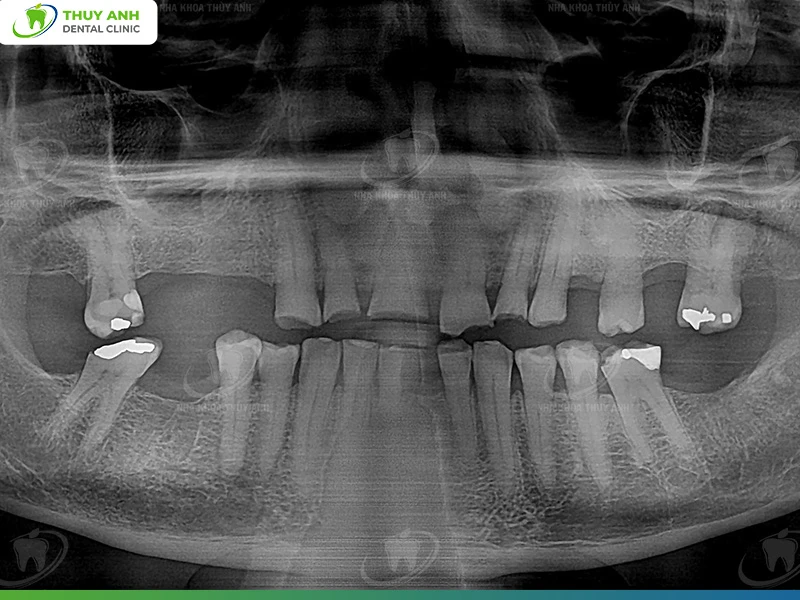
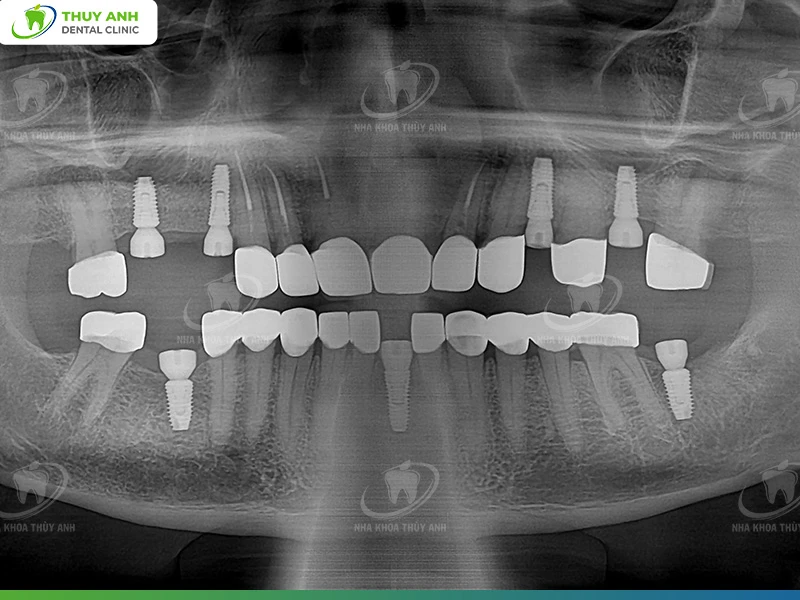
    • Panoramic X-ray
    • Cone Beam CT scan

This data allowed clinicians to accurately assess:

    • Bone volume and density
    • The position of critical anatomical structures (inferior alveolar nerve, mental nerve, maxillary sinus)
    • The condition of remaining teeth
    • The degree of vertical dimension loss due to tooth wear
Pre-treatment intraoral images
Pre-treatment X-ray image

Digital Treatment Planning

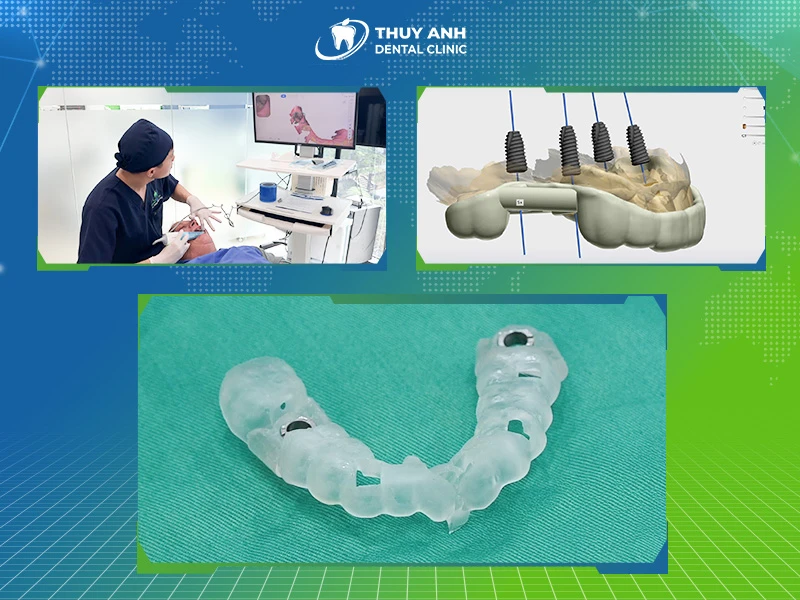
After collecting all diagnostic data, the information was transferred into a digital treatment planning system.

This technology enables 3D analysis of the patient’s dental structures.

As a result, clinicians can:

    • Accurately evaluate anatomical structures
    • Determine ideal implant positions
    • Simulate the final restorative outcome

For international patients, this step is particularly important, as the entire treatment process is carefully planned before any surgical procedure begins.

This significantly enhances both safety and predictability.

Guided Implant Surgery

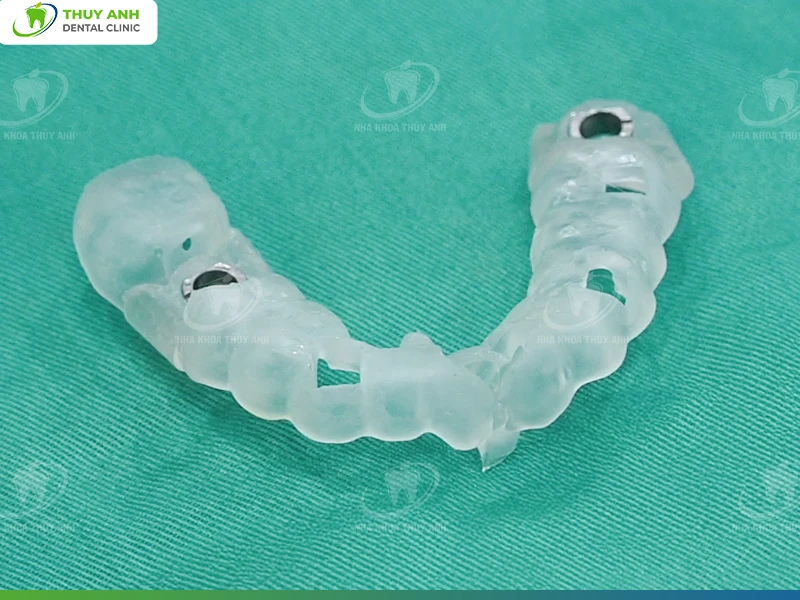
Based on the digital treatment plan, a surgical guide was designed and fabricated.

This guide allows implants to be placed precisely according to the planned:

    • Position
    • Angulation
    • Depth
Guided Implant Surgery

Guided surgery provides several advantages:

    • Increased accuracy
    • Reduced surgical trauma
    • Shorter procedure time
    • Higher long-term success rates

In addition to technology, the clinician’s experience plays a critical role in complex full-mouth rehabilitation cases like Philip’s—especially in restoring lost vertical dimension and managing bruxism.

Final Treatment Plan

After thorough discussion, the final treatment plan included:

1. Endodontic treatment and restoration of upper anterior teeth

These teeth were severely worn and fractured. Root canal treatment and post placement help increase clinical crown height, supporting the restoration of vertical dimension.

2. Implant placement in missing areas

    • 4 implants in the upper jaw
    • 3 implants in the lower jaw

3. Full-mouth ceramic restorations

The goals are to:

    • Restore tooth length
    • Re-establish chewing function
    • Improve smile aesthetics

4. Bruxism management

Philip will be provided with a night guard to protect the new restorations.

Treatment Plan Structure

The entire treatment is divided into two phases (two trips).

Trip 1: Initial Treatment Phase

Duration: approximately 10–14 days

Day 1

    • Root canal treatment for indicated teeth
    • Data collection for Smile Design
    • Diagnostic wax-up for new tooth morphology

Treatment time: ~2 hours

Day 2

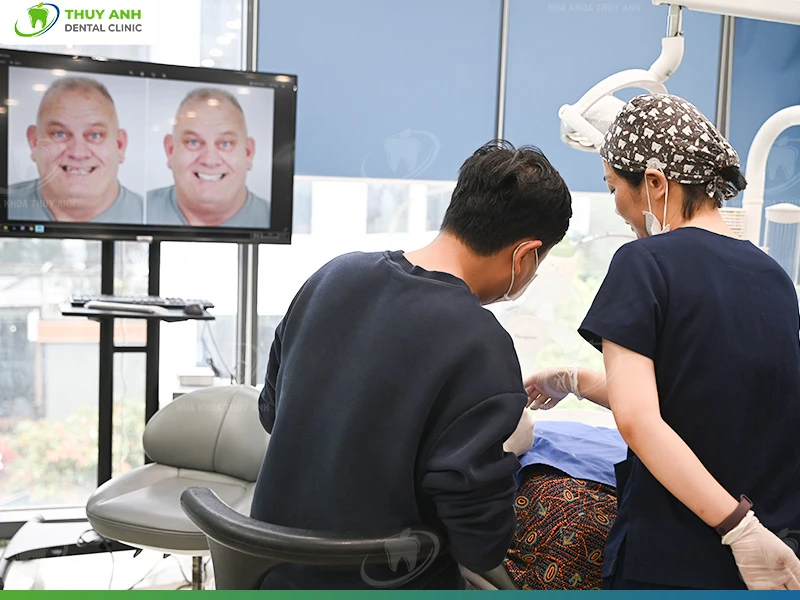
    • Mock-up trial (new smile preview directly on teeth)

During this session, the dentist and patient discussed in detail:

    • Tooth shape
    • Proportions
    • Color
    • Overall smile aesthetics

Notably, the patient’s wife was invited to join the discussion to ensure alignment in expectations.

Once agreement was reached, tooth preparation was performed and data was sent to the dental laboratory.

Treatment time: ~4 hours

Day 3

    • Placement of the full provisional restoration

The dentist performed:

    • Occlusal adjustments
    • Functional evaluation
    • Preparation for implant surgery

Treatment time: ~2 hours

At this stage, Philip’s smile had already improved significantly.

Day 4 (Approx. 2 hours)

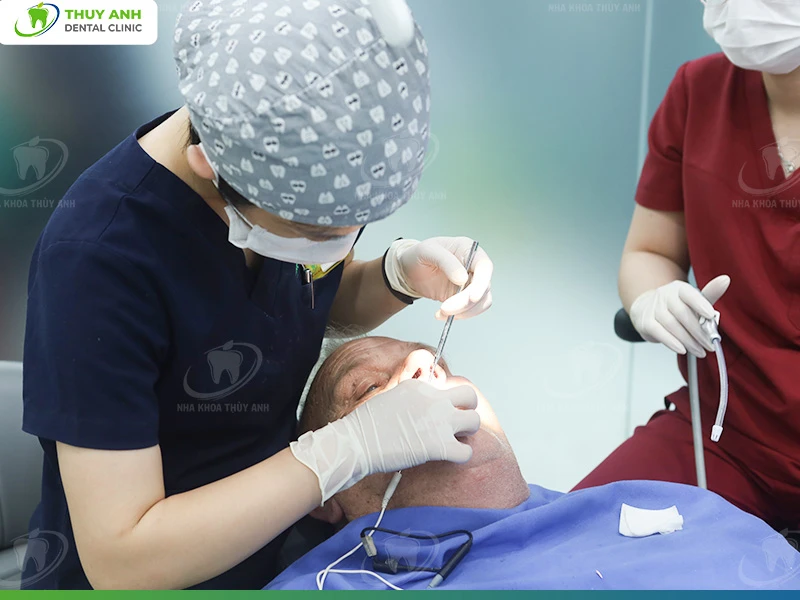
    • Implant surgery

To ensure maximum accuracy, the procedure was performed using a computer-designed surgical guide.

This is critically important because:

    • Prosthetic restorations can be adjusted over time
    • Implant positions in bone cannot be changed

Therefore, precise 3D implant placement is the key factor for long-term success.

Completion of Trip 1

After completing the implant surgery phase, Philip concluded his first treatment trip in Vietnam.

The initial results achieved:

  • The occlusion was successfully re-established
  • The new prosthetic system functioned effectively
  • The implants were placed precisely according to the treatment plan

Philip shared that he was highly impressed by:

  • The meticulous care of the clinical team
  • The precision at every stage of the procedure
  • The overall professionalism of the entire team

For him, traveling to another country for medical treatment was not an easy decision. However, the results achieved after the first phase far exceeded his expectations.

Pain management was handled exceptionally well — he experienced little to no discomfort throughout the entire process. Post-operative care was also attentive and thorough.


Moving Toward Trip 2

After approximately four months, once the implants have fully integrated with the jawbone, Philip will return to Vietnam to complete the final stage of treatment.

During this trip, the clinical team will:

  • Complete the implant-supported restorations
  • Perform final occlusal adjustments
  • Provide a custom night guard for bruxism

Controlling bruxism is a critical factor in ensuring the long-term success of the treatment.


A New Smile Taking Shape

Trip 1 marked the beginning of a significant transformation in Philip Hodge’s smile.

In just a few more months, once the implant system and final restorations are completed, he will have a dentition that is:

  • Healthy
  • Stable
  • Functioning effectively for many years to come

His journey from Canberra to Hanoi is more than just a treatment trip — it is a journey toward restoring chewing function, daily comfort, and confidence in his smile.


Why Many Australian Patients Choose Vietnam for Dental Treatment

In recent years, an increasing number of patients from Australia have chosen Vietnam for dental care.

This trend is driven by three main factors:


More Affordable Treatment Costs

Complex dental rehabilitation cases in Australia — especially those involving multiple implants – are often very expensive.

In Vietnam, patients can still access:

    • Cone Beam CT imaging systems
    • International implant brands
    • Digital treatment planning technology
    • Modern dental laboratories
    • Highly trained dentists educated in leading dental institutions worldwide

– But at significantly lower costs.


Treatment Structure Suitable for International Patients

Implant treatment is typically divided into two trips:

Trip 1

    • Examination
    • CT imaging
    • Implant surgery

Trip 2

    • Final prosthetic restorations

This structure allows patients to avoid prolonged stays abroad.


Combining Treatment with Travel

During their stay in Hanoi, many patients also take the opportunity to visit well-known destinations such as:

    • Ha Long Bay
    • Hoi An
    • Da Nang
    • Hanoi
    • Ho Chi Minh City

This helps turn the treatment journey into a more positive experience and reduces anxiety associated with dental procedures.


Post-Treatment Follow-Up for International Patients

One of the most common concerns among international patients is how follow-up care will be managed after returning home.

For implant cases:

    • Routine check-ups and cleanings can be performed by local dentists
    • Patients can send photos or X-rays for remote evaluation and consultation
    • The clinic’s international support partner can assist in coordinating communication between the patient, local dentist, and the treating team in Vietnam

In addition, widely used implant systems are selected to ensure compatibility with dental care providers in the patient’s home country.

When patients return to Vietnam for travel or work, they are also welcome to visit for a comprehensive check-up of their implant system if needed.

Trả lời

Email của bạn sẽ không được hiển thị công khai. Các trường bắt buộc được đánh dấu *

Bài viết cùng chuyên mục
We are here
phone
phone no background