Home » What are porcelain veneers? Advantages, disadvantages, and the procedure.
What are porcelain veneers? Advantages, disadvantages, and the procedure.
No-Prep Veneers – Aesthetic Porcelain Restorations Without Tooth Reduction
Porcelain veneers are currently the best cosmetic dental restoration method that preserves natural teeth, helping to correct conditions such as yellowed, chipped, or irregularly shaped teeth.
What is porcelain veneer?
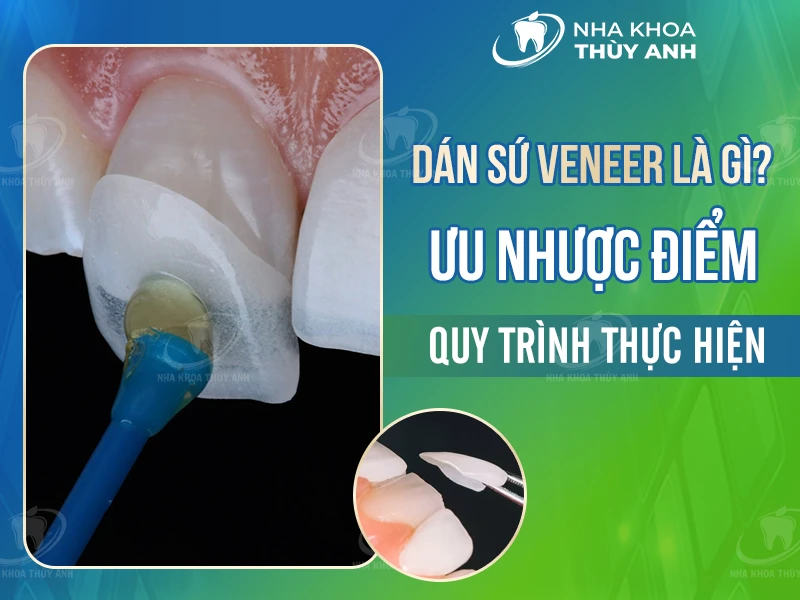
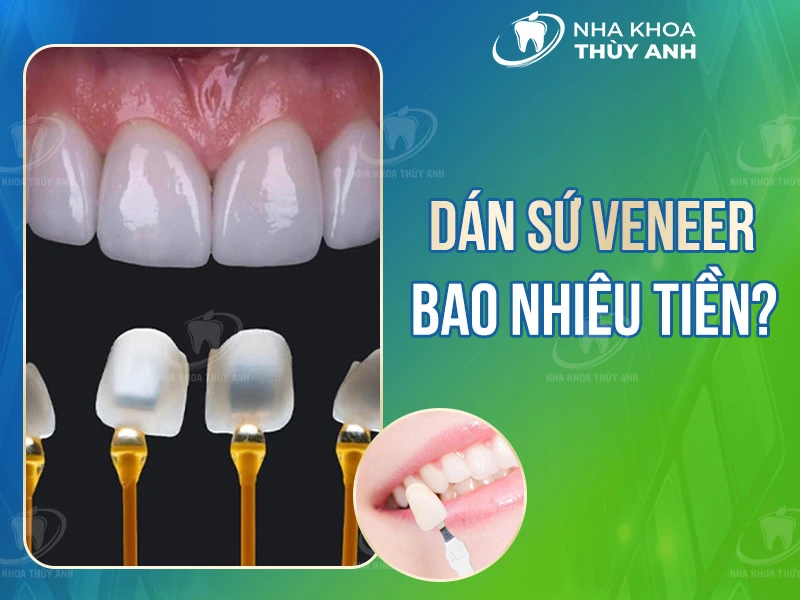
Porcelain veneers represent a revolutionary advancement in aesthetic dentistry, yhis minimally invasive technique restores the appearance of teeth using ultra-thin porcelain shells, ranging from just 0.2 to 0.5 mm thick, which replace the outermost enamel layer and provide a flawless, natural-looking protective surface.
Each veneer is custom-crafted using advanced CAD/CAM technology, then securely bonded to the front surface of the tooth by using a specialized dental adhesive. This process ensures a seamless, lifelike result that integrates harmoniously with the natural dentition.
Porcelain veneer bonding techniques have been available in the Vietnamese market for about 10 years, and are currently a popular trend in cosmetic dentistry.
Advantages and disadvantages of porcelain veneers
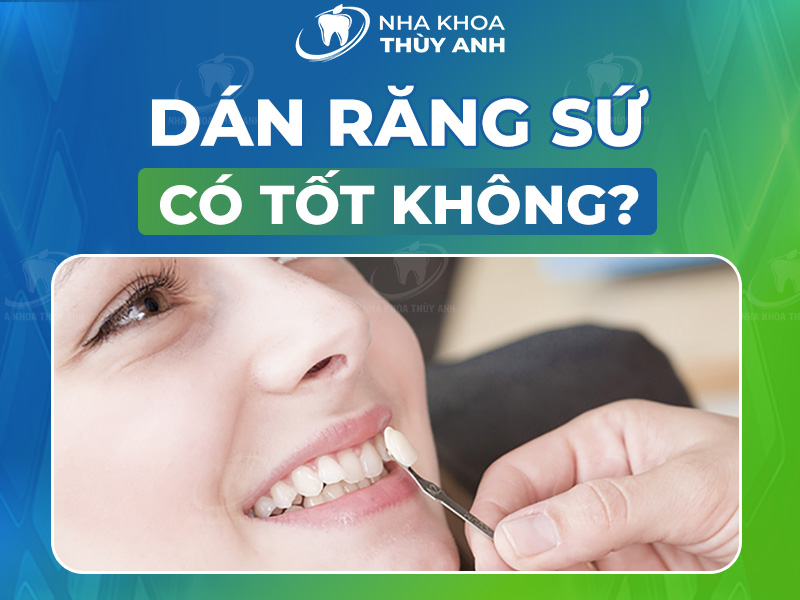
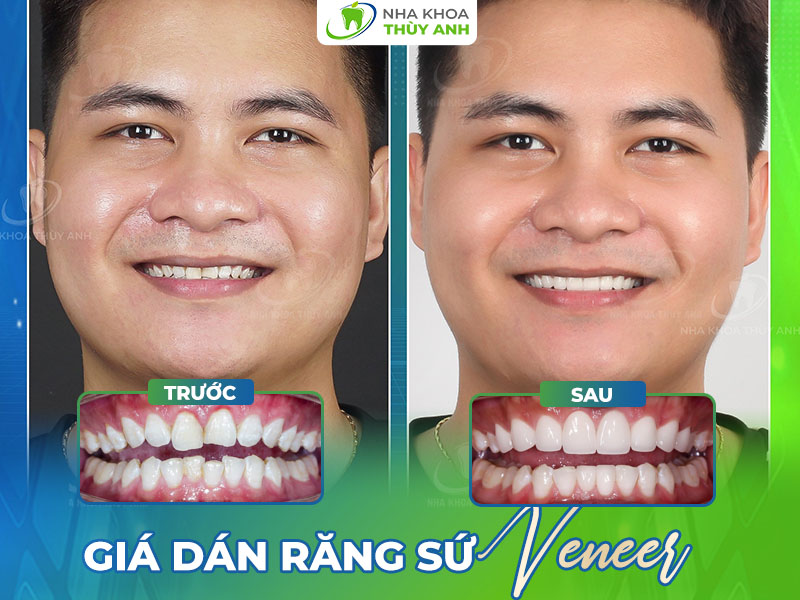
Porcelain veneers help create a naturally beautiful and even smile.
Porcelain veneers are a modern cosmetic dental solution, notable for their ability to preserve natural teeth and create a natural smile. However, this method also has certain limitations and is not suitable for all cases. Understanding the advantages and disadvantages will help you choose the right treatment option.
1. Advantages of porcelain veneers
Preserving as many natural teeth as possible: Porcelain veneers require only very thin grinding of the outer enamel layer (about 0,3–0,5 mm) or even no grinding at all, helping to preserve almost the entire structure of the natural tooth compared to traditional porcelain crowns.
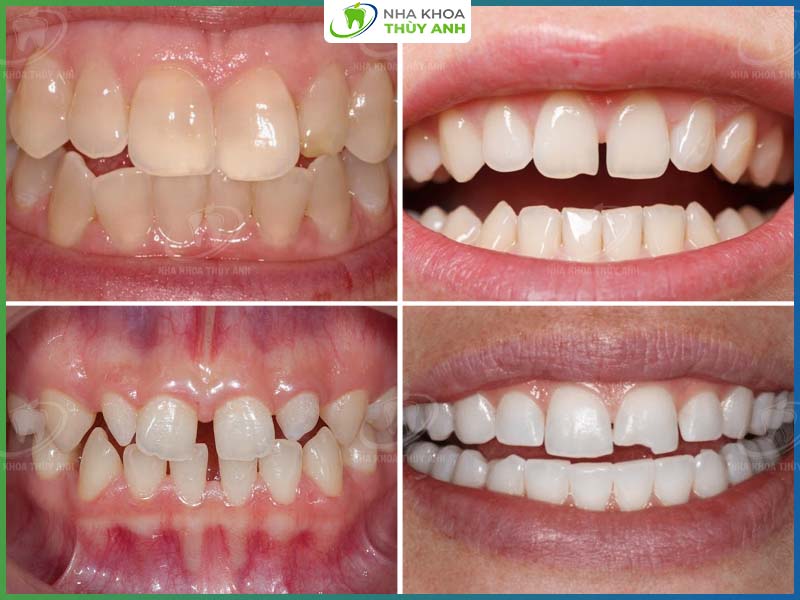
High aesthetic appeal, natural look: Ultra-thin porcelain veneers, with their translucency and light reflection similar to natural enamel, effectively improve imperfections such as mild tooth discoloration, gaps between teeth, small chips, and irregular tooth shape.
Chew comfortably: Veneers adhere firmly to the tooth surface, causing no discomfort or affecting the bite, providing a chewing sensation almost like natural teeth.
Less pain, less soreness: Because the procedure is minimally invasive and gentle, most clients do not experience prolonged pain or discomfort after getting veneers.
High durability, long life: Veneers are crafted from high-quality porcelain, offering good durability and an average lifespan of 10–15 years, potentially lasting up to 20 years with proper care.
Safe for gum tissue: The ceramic material is biocompatible, non-irritating, does not darken the gum line, and ensures long-term oral health.
2. Disadvantages of porcelain veneers
The cost is relatively high: Due to the requirement for high-quality porcelain materials and complex application techniques, porcelain veneers typically cost more than many other cosmetic dental procedures.
Not suitable for all cases: Veneers are not the optimal choice for severely protruding or receding teeth, significantly misaligned teeth, teeth with extensive wear, or for people who grind their teeth forcefully.
Requires highly skilled doctors: The technique of applying porcelain veneers requires a dentist with deep expertise and good aesthetic experience; if done incorrectly, it can affect the durability and long-term aesthetics.
Limit the use of coverings for severely stained teeth: In cases of severe tooth discoloration (high-level tetracycline staining), veneers may not provide complete coverage, and other, more suitable solutions should be considered.
Candidates for Porcelain Veneers
Cases where porcelain veneers are recommended
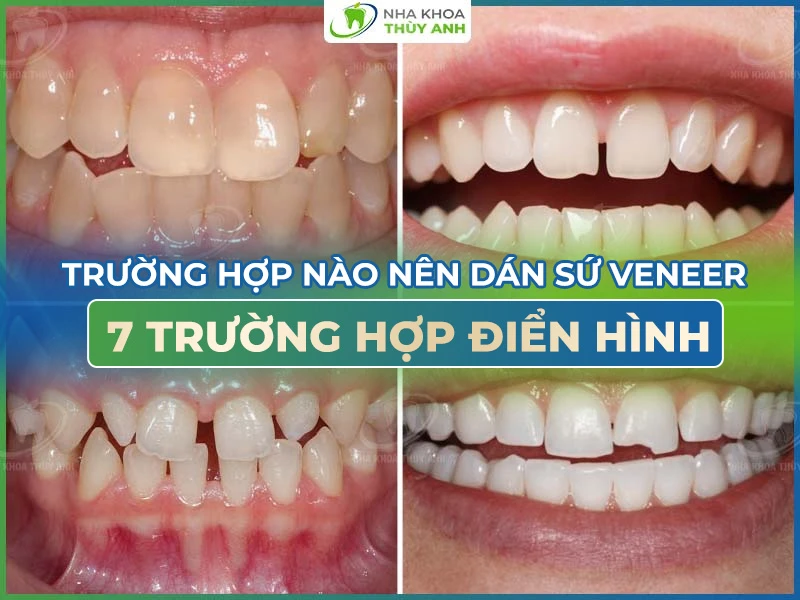
If you are experiencing any of the following dental concerns, porcelain veneers will be the ideal solution for you:
– Teeth that are stained or discolored due to food
– Fluorosis or antibiotic-related discoloration
– Mild tooth spacing (diastema)
– Chipped or fractured teeth (involving less than one-third of the tooth structure)
– Worn enamel or uneven tooth surfaces
Note:To be a suitable candidate for veneers, your teeth should meet basic criteria such as proper bite alignment (occlusion) and a well-aligned dental arch.
If you have crooked or crowded teeth, bite misalignment, or irregular tooth shapes and discoloration, orthodontic treatment (such as braces) is recommended before undergoing veneer placement.This sequence ensures both aesthetic excellence and long-term functional stability for your smile.
However, porcelain veneers are not suitable for all cases. In the following situations, they may not be a viable treatment option:
– Severely crowded or misaligned teeth
– Significantly weakened enamel surface
– Habitual teeth grinding (bruxism)
– Unfavorable bite conditions, such as underbite, edge-to-edge bite, or crossbite,...
– Periodontal disease (gum disease)
– Teeth with extensive decay or large fractures, which reduce the bonding surface for veneers
At Thuy Anh Dental, we follow a standardized porcelain veneer procedure based on international protocols to ensure optimal treatment outcomes for patients. The process is carried out as follows:
Step 1: Oral Examination and dental assessment
Dentist will perform a thorough clinical examination to assess your eligibility for porcelain veneers. At the same time, a full oral health evaluation will be carried out, including dental X-rays if needed to detect any underlying issues such as gum disease or bone loss.If problems like tartar build-up, tooth decay, or missing teeth are found, they must be treated before moving forward with veneer placement.
Step 2: Taking photos, smile design and treatment planning with DSD (Digital Smile Design)
Based on your current dental condition and personal aesthetic preferences, the dentist will use DSD technology to create a digital simulation of your future smile.This allows you to preview the anticipated outcome and engage in a detailed consultation regarding tooth shape, size, and color. Once the design is finalized and approved, treatment will proceed accordingly.
Step 3: Local Anesthesia and Tooth Preparation
For veneer placement, only a minimal amount of enamel will be gently trimmed to create space for the porcelain layer. This ensures a comfortable and conservative approach while maintaining tooth integrity.
Step 4: Impression taking and veneer fabrication
After step 3, the dentist will take a rubber impression of your teeth and send it to the dental lab for custom veneer fabrication. This step typically takes 4–2 days. In the meantime, temporary veneers will be placed to protect your teeth and maintain aesthetics.
Step 5: Final Veneer Try-In and Permanent Bonding
Once your permanent veneers are ready, the dentist will carefully place them for a try-in session to evaluate their fit, color, and contour. At this stage, any necessary adjustments can be made to ensure your full satisfaction. It is crucial to finalize all modifications before the veneers are permanently bonded, as the procedure is considered irreversible after cementation.
After the veneer bonding process is completed, dentists will carefully assess your bite alignment and evaluate the veneers' ability to withstand functional forces.This final step ensures optimal chewing function and a well-balanced, harmonious smile with ideal proportions. You'll also receive personalized post-treatment care instructions to help preserve the longevity and aesthetics of your veneers.
How much do porcelain veneers cost?
Porcelain veneers are made from premium materials and require a highly skilled and experienced dentist using advanced equipment. As a result, veneer treatment is considered a high-end cosmetic dental service. You can refer to the following price range for veneer treatment at Thuy Anh Dental Clinic:
Services
Origin
Listed price (per tooth)
Warranty (years)
Emax Press Veneer
Germany
6.500.000 VNĐ ~ XNUMX USD
10
Lisi Press Veneer
Germany
8.500.000 VNĐ ~ XNUMX USD
10
The price includes 8% VAT.
Thuy Anh Dental Clinic offers installment plans for porcelain veneer treatment. After completing the procedure, patients only need to make a 70% upfront payment, with the remaining balance payable over 2 to 6 months. We offer 0% interest financing with a simple and hassle-free application process.
Important safety precautions when getting dental veneers.
Dental examination and treatment before porcelain veneer placement: Thoroughly treat cavities, gingivitis, periodontitis, and mild malocclusion to avoid complications and porcelain crown detachment later.
Choose a reputable dental clinic with highly qualified dentists: Prioritize facilities with experienced cosmetic prosthetics, modern equipment, and the use of genuine porcelain materials.
Discuss thoroughly with your doctor before undergoing the procedure: Agree on the color, shape of the teeth, the extent of intervention, and have a clear understanding of the veneer bonding process.
Be careful with your diet after getting dental veneers: Avoid foods that are too hard, chewy, hot, or cold; limit dark-colored foods and drinks such as coffee, tea, and wine.
Don't use your teeth as tools: Do not open the bottle cap, bite on hard objects, or tear the packaging to avoid cracking or chipping the ceramic surface.
Practice proper oral hygiene every day: Brush your teeth twice a day with a soft-bristled toothbrush, combined with dental floss or a water flosser and a suitable mouthwash.
Limit smoking and bad habits: Smoking and teeth grinding reduce the colorfastness and lifespan of dental crowns.
Regular check-ups every 3–6 months: It helps dentists check the bite, adhesive adhesion, and address early signs of abnormalities such as sensitivity, discomfort, or porcelain detachment.
Frequently Asked Questions About Porcelain Veneers
1. Can any dental clinic perform porcelain veneers?
The answer is NoPorcelain veneers procedure is regarded as one of the most technically demanding techniques in cosmetic dentistry, which explains why it often costs more than full crowns. Without comprehensive expertise in smile design, bonding protocols, tooth preparation, and precise impression-taking,... veneers can appear bulky, poorly fitted, or even lead to gum irritation. In some cases, they may debond and fall off prematurely.
2. Is getting porcelain veneers painful?
When performed by an experienced dentist using advanced technology at a reputable clinic, the porcelain veneer procedure is virtually painless.
3. Are porcelain veneers durable?
This is one of the most frequently asked questions. According to dental professionals and long-term user feedback, porcelain veneers can last 15 years or even a lifetime provided they are properly cared for with excellent oral hygiene and routine dental visits.
Porcelain veneers are a cosmetic dental procedure that helps preserve natural teeth to the maximum extent, minimizing tooth grinding and resulting in a beautiful, even, and naturally white smile. To ensure the best results when getting veneers, you should choose reputable dental clinics specializing in porcelain veneer application.

 About Thuy Anh Dental
 Braces