Home » How to treat pulpitis with standard medical procedures
How to treat pulpitis with standard medical procedures
Pulpitis is one of the most common dental diseases. The treatment process for pulpitis must be performed meticulously and accurately to completely eliminate the painful inflammation.
What is the structure of dental pulp?
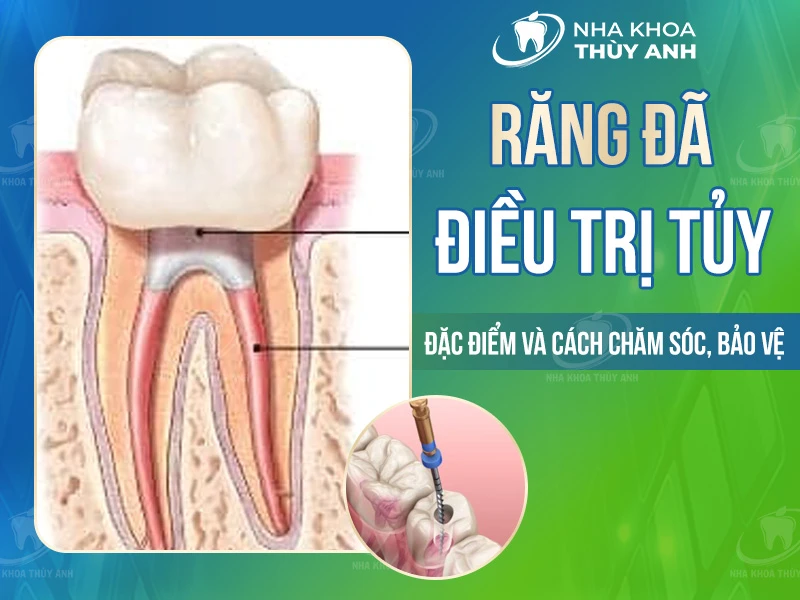
Dental pulp is a connective tissue consisting of blood vessels and nerves located in the pulp cavity, surrounded by hard tissue consisting of enamel and dentin. The pulp has the function of nourishing all living components of the pulp-dentin complex, sensing and transmitting sensation when there is stimulation on the tooth, contributing to maintaining the life of the tooth.
Depending on each tooth, each root can have 1 or more root canals, the root canals of a tooth are called the root canal system. The pulp cavity within the body of the tooth is known as the pulp chamber, which contains the coronal pulp. In contrast, the cavity extending through the root is called the root canal, housing the radicular pulp. The tip of the root where the blood vessels and nerves enter is called the apex (root of the tooth).
Why is pulpitis treatment necessary?
Root canal treatment (root canal treatment) is the removal of all the tooth pulp (pulp chamber and root canal). After the pulp tissue is cleaned, the dentist will shape and seal the root canal system. Root canal treatment will help you keep your tooth, avoid future complications and keep your tooth stronger:
– When bacteria invade, the tooth pulp becomes weak, infected and dies. Because the tooth pulp cannot heal itself, if left untreated, pulpitis will spread to the root area, causing root infection. The infection will spread and damage the jawbone, causing it to be destroyed, the tooth will become loose, and the surrounding teeth will be affected.
– When you have pulpitis, you will feel severe pain that painkillers do not help. This greatly affects your daily life and work.
– When pulpitis is not treated, it will lead to tooth tissue being broken and the entire crown being lost. At this time, the tooth must be extracted, leaving a gap in the mouth, reducing chewing function and aesthetics.
Treatment methods for pulpitis vary depending on the severity.
Treatment for pulpitis should be determined based on the extent of pulp damage to quickly relieve pain, control infection, and prioritize preserving the natural tooth. Depending on the stage of the disease, the dentist will choose the appropriate method to minimize complications and avoid tooth extraction.
Current treatment methods for pulpitis
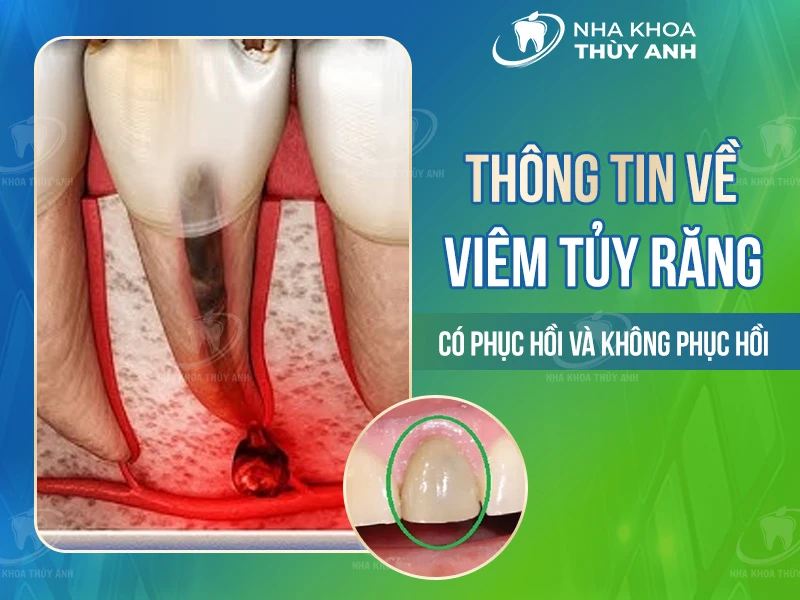
1. Pulpitis is reversible.
In the early stages, the tooth pulp is not severely damaged. The dentist will thoroughly address the cause (most commonly cavities), clean the damaged area, and fill the tooth tightly. This method helps protect the healthy pulp, reduce sensitivity, and restore chewing function.
2. Irreversible pulpitis (severe damage)
When the pulp is inflamed or necrotic, more intensive treatment is required:
Root canal treatment (pulp removal): The dentist completely removes the inflamed pulp tissue, cleans and reshapes the root canal system, and seals it to prevent bacteria from re-entering.
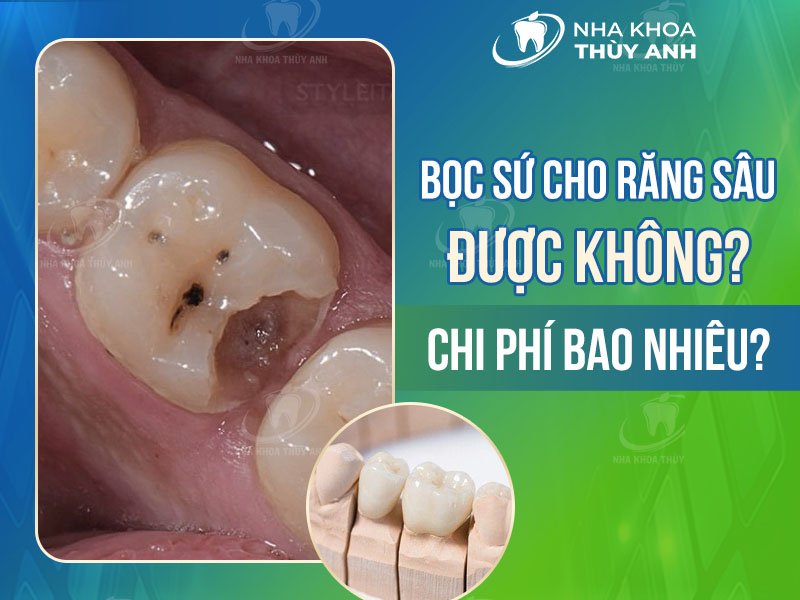
Restoration after root canal treatment: Teeth that have undergone root canal treatment are often fitted with porcelain crowns to increase durability, prevent cracking, and restore long-term chewing function.
Tooth extraction: This is only performed when the tooth is severely damaged and cannot be preserved. Afterwards, the dentist will advise on alternative solutions such as dental implants or bridges to ensure function and aesthetics.
Pulpitis treatment process
Any treatment must comply with the correct technical procedures. At Thuy Anh Dental Clinic, the root canal treatment process is carried out according to the standards of the Ministry of Health with the following complete steps:
Step 1: Examination and X-ray
The doctor will perform a general examination of the oral cavity and prescribe a panoramic X-ray to determine the infection and shape of the root canal to determine the difficulty of the root canal treatment, from which a suitable treatment plan can be developed.
Step 2: Clean the oral cavity and anesthetize
Before starting the root canal treatment, the doctor will clean the area around the tooth that needs treatment. Local anesthesia is used so that the patient does not feel uncomfortable during the treatment. Anesthetic is used in the appropriate dose, safe for the patient's health.
Step 3: Place the rubber dam
The doctor will place a rubber dam in the area of the tooth that needs root canal treatment to isolate the tooth from the gums and oral cavity, avoiding the situation where the root canal treatment medicine falls into the respiratory or digestive tract.
Step 4: Perform root canal
The dentist uses a specialized dental drill to make a small incision in the tooth's crown down to the root canal. Then, the inflamed pulp tissue is removed with a hand file or rotary file. The pus in the abscess can also be drained if this pus appears.
Step 5: Root canal filling and tooth restoration
Once the infected pulp is removed, the dentist will clean and fill the root canals. Root canals are often very narrow and difficult to fill, so the dentist will use small files to widen the canals and bring the tooth back to its normal shape so that the filling can be applied. This process usually takes a long time, the more roots the tooth has, the longer it will take.
Teeth after root canal treatment will be very brittle and fragile, often turning black after a while. Therefore, to ensure the aesthetics and durability of the teeth later, you should have porcelain crowns. The porcelain layer will have the function of covering the defects of the degenerated tooth body inside.
Step 6: Take X-ray for examination
After the root canal and restoration process is complete, the doctor will request another X-ray to check for any remaining inflamed pulp to ensure the safety of the entire treatment process.
Root canal treatment can still be repeated if the infection continues to recur. If the tooth remains infected after treatment, the dentist may perform a root canal to end the infection.
Where should I go to treat pulpitis?
Treating pulpitis is a highly specialized endodontic technique requiring accurate diagnosis, thorough cleaning of the root canal system, and complete sealing. If not performed correctly, the tooth is very susceptible to recurrent pain, apical periodontitis, or abscess formation. Therefore, choosing a reputable dental clinic is a crucial factor in determining the long-term preservation of the natural tooth.
Thuy Anh Dental Clinic is a trusted choice for many patients seeking treatment for pulpitis, thanks to its adherence to the following criteria:
Strong expertise in endodontics: Our team of doctors are graduates of accredited medical universities, have received in-depth training in root canal treatment, and have experience in handling complex cases of pulpitis, multiple root canals, curved pulp, or prolonged apical inflammation.
Modern technology-assisted system: Utilizing apex locators, digital radiographs, and endodontic files to accurately determine root canal length, ensure effective cleaning, and minimize pain throughout the treatment process.
Comprehensive root canal cleaning: Combining specialized irrigation solutions such as bleach, EDTA, and chlorhexidine to remove bacteria, necrotic pulp tissue, and minimize the risk of reinfection after treatment.
Standard filling materials: Using high-quality endodontic materials ensures a long-lasting, tight seal, helping teeth remain stable and durable over time after root canal treatment.
A clear restoration plan: After root canal treatment, the dentist will advise on suitable fillings or crowns to protect the tooth from cracking and restore chewing function.
Important considerations for treating pulpitis to achieve the best results.
Treating pulpitis requires timely intervention and adherence to professional guidelines to control pain, eliminate infection, and preserve the natural tooth for the long term. Below are some important points patients should be aware of throughout the treatment process.
Early diagnosis and treatment of pulpitis.
You should see a dentist immediately if you experience severe toothache, persistent sensitivity, or pain at night.
Pulpitis (inflammation of the dental pulp) cannot heal on its own; the sooner it is treated, the lower the risk of abscess formation, bone loss, and tooth loss.
Follow your doctor's instructions.
Provide complete information on your health status, current medications, and medical history.
Do not self-medicate with painkillers, antibiotics, or use folk remedies without professional medical advice.
Complete all treatment steps as planned (root canal treatment, filling, crown placement if needed).
Diet after treatment
Avoid eating or drinking for the first few hours to allow the filling material to stabilize.
Prioritize soft, cool foods; limit hard, chewy, excessively hot, or excessively cold foods to avoid tooth fractures.
Avoid chewing forcefully on the treated tooth until it is fully restored.
Proper oral hygiene
Brush your teeth gently with a soft-bristled toothbrush, avoiding strong pressure on teeth that have undergone root canal treatment.
Rinse your mouth with warm salt water or a specialized solution to reduce bacteria.
Use dental floss instead of toothpicks to clean between your teeth.
Dental check-ups and restorations
Please return for your scheduled follow-up appointment so your dentist can check the condition of your root canals and surrounding tissues.
Porcelain crowns or fillings are used as indicated to protect teeth after treatment, prevent breakage, and reduce the risk of reinfection.
In summary, when the tooth pulp is inflamed, you need to visit a reputable dental clinic as soon as possible for examination and timely treatment, to avoid the infection causing pain, discomfort, or the risk of tooth loss.

 About Thuy Anh Dental
 Braces